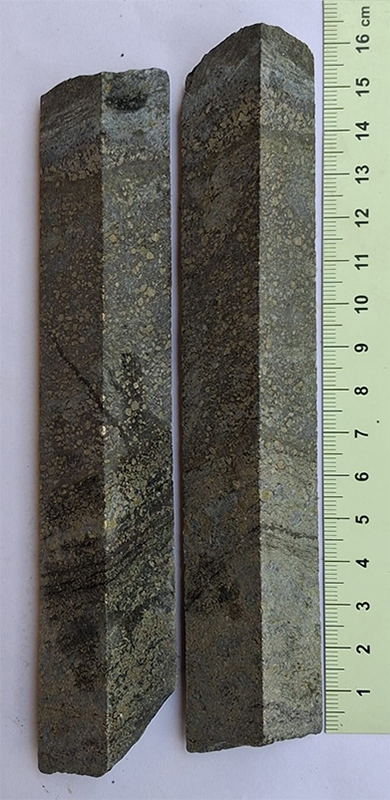
Brownfield Exploration at Copper Project Ambaji (CPA)

GMDC is advancing its strategic transformation by expanding into metal mining, with a key focus on the Copper Project at Ambaji in Banaskantha, Gujarat. This polymetallic deposit, rich in copper, zinc, and lead, has been extensively studied by GSI, MECL, CGM-Gujarat, and GMDC, all of which have confirmed its high-grade and tonnage potential. India’s copper supply is mainly dependent on imported concentrates, making domestic projects like CPA critical for resource security.

Consultants M/S BCG rank the Ambaji deposit among the world’s top copper projects based on metal content. Recent data integration by M/S Data Code (2023–24) further confirms the resource. Recognising copper as a strategic mineral, GMDC has entrusted GMRICS with the following project to enhance CPA’s resources.

Project Details

PHASE-I : (Under progress)
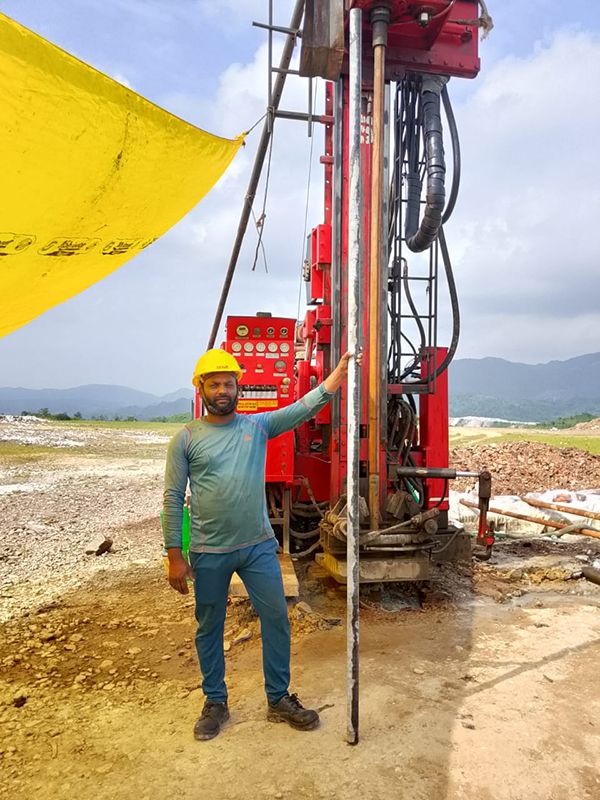
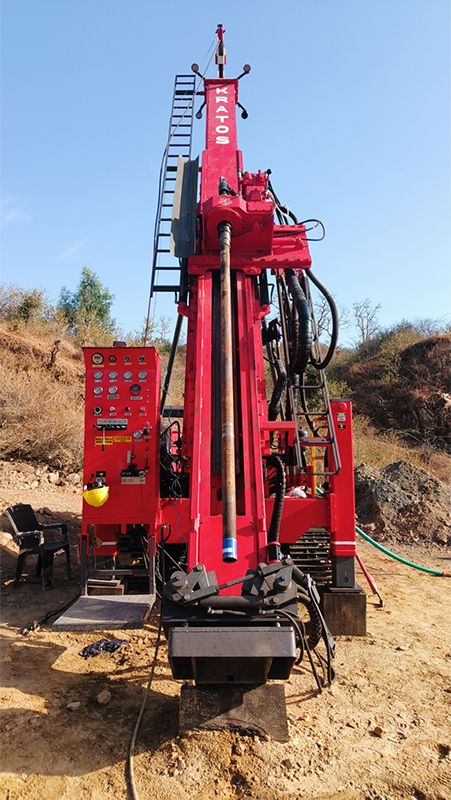
  • Total Drilling: 24,000 meters
  • Target Areas
    • Ambaji Block (greenfield & brownfield): 184 hectares
    • Contiguous zone: 1,402 hectares
  • Drilling Design
    • ~50 boreholes planned
    • Depth range: 300–1,000 meters
    • Regular grid pattern for systematic coverage
  • Purpose
    • Augment mineral resources
    • Validate historical data
    • Classify resources per UNFC norms
  • Contractor Engagement & Timeline
    • M/s. Rawel Singh & Co., Ropar, Punjab
      1. Letter of Award (LoA): Issued on 04 February 2025
      2. Scope: 9,000 meters of core drilling
      3. Start Date: 01 March 2025
      4. Expected Completion: 10 Months
    • M/s. Geo Services Maritime Pvt. Ltd., Mumbai
      1. LoA Issued: 15 May 2025
      2. Scope: 15,000 meters of core drilling
      3. Start date: 15 June 2025
      4. Completion Timeline: 13 months

PHASE-II : (Under progress)
  • Sampling
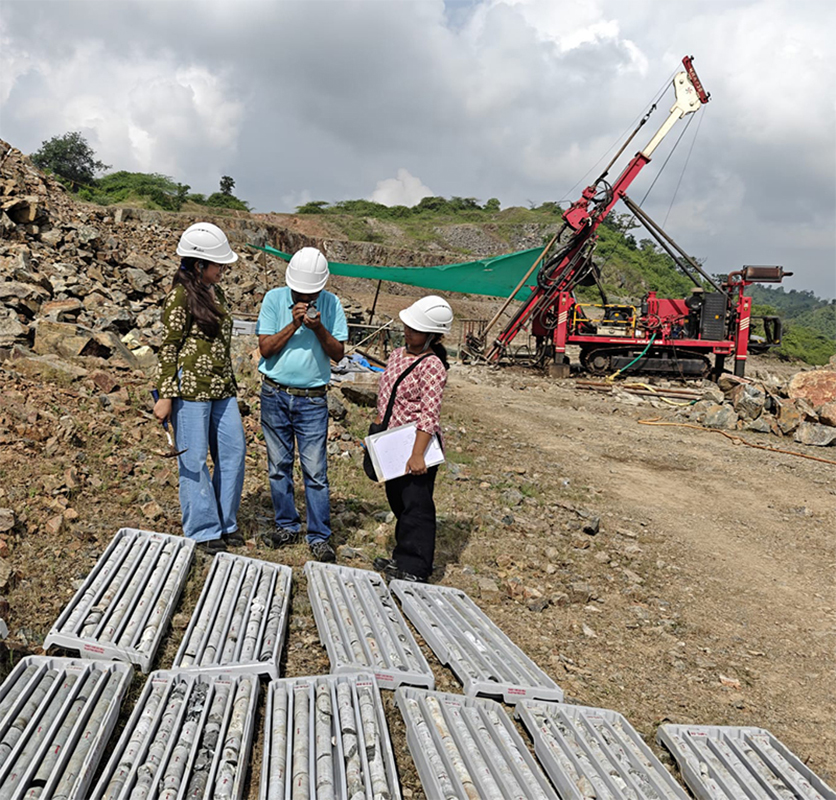
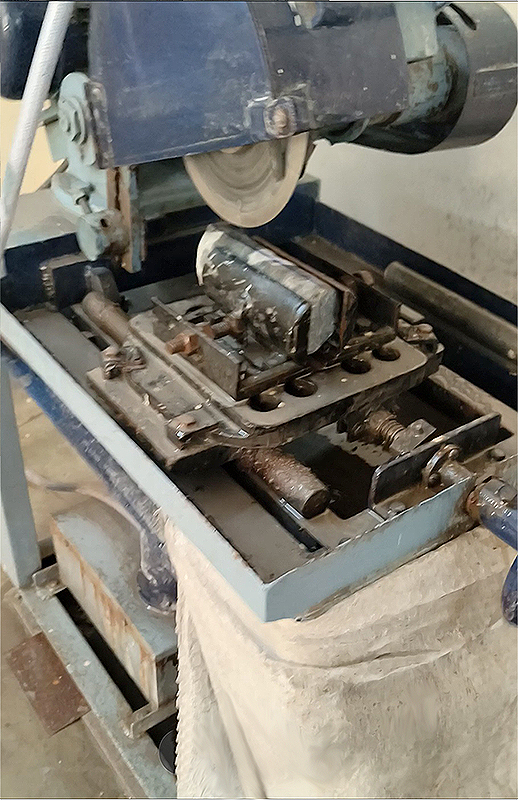
    • Five thousand borehole samples planned from mineralised zones to reassess ore body configuration and extend resource boundaries.
  • Mineralogical & Textural Analysis
    • Microscopic study for ore mineralogical characterisation and mineral textures.
    • Evaluation of liberation characteristics for metallurgical insights.
  • Advanced Analytical Techniques
    • X-ray Diffraction (XRD) for mineral phase identification.
    • Analysis by Electron Probe Micro-Analyser (EPMA) for in-situ compositional characterisation and elemental mapping.
  • Chemical Data Generation
    • Multi-elemental analysis on representative samples for grade control and resource estimation.
    • Identification of the presence of co- and byproducts (valuable critical minerals).
  • Resource Enhancement Goals
    • Improve understanding of deposit geometry and metal distribution.
    • Target deeper mineralisation beyond current ore body limits.
  • Statutory Reporting
    • A geological report is to be compiled based on drilling and analytical data.
    • Will fulfil statutory requirements for mining plan approval

PHASE-III :
    • Early Phase-I drilling has yielded encouraging intercepts, confirming the presence of copper and associated metals mineralisation within and beyond the 184 Ha mining leasehold area.
    • The following integrated exploration activities are planned to establish the continuity of mineralisation beyond the 184 Ha area.
      1. Detailed geological and structural mapping: To refine lithological and tectonic models.
      2. Geophysical surveys: Gravity, magnetic, and electrical methods.
      3. Geochemical investigations: Surface and subsurface sampling.
      4. Exploratory Drilling: 1,00,000 m in a close-spaced grid over three years.
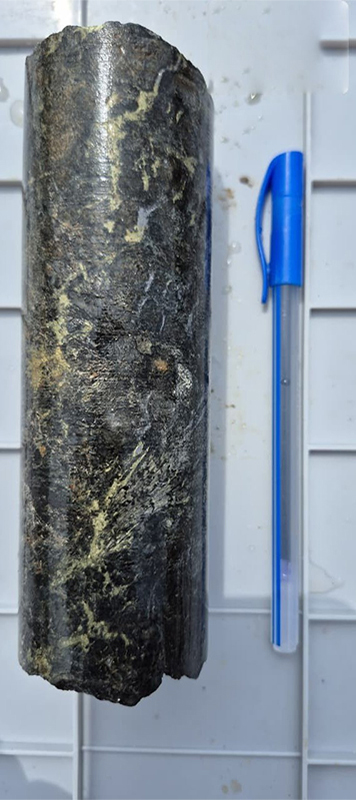
      5. Core sample analysis: Comprehensive mineralogical and chemical characterisation to delineate the ore body.
    • This phase is aligned with the approved review of the 2025 mining plan, ensuring statutory compliance.
  • Outcome
    • 3D ore body model: To define geometry and support reserve estimation
    • Ore reserve estimation: To augment the mineral resources at least two times.